Friday, September 13, 2013

Return to the Brandywine Valley

The Brandywine Valley remains one of my favorite stomping grounds due to its horticultural and architectural offerings as well as the sheer deliciousness of its name.


Hagley Mills


Though long in love with the luscious Brandywine estates and gardens of Winterthur and Longwood (where I would like to believe I lived during a previous life as a petunia), my visit to the former gunpowder works at Hagley Mill offered a foray into a new sphere of surprises. I had naïvely imagined a single mill house - boy were my expectations toppedGardener turned gunpowder guru Eleuthère Irénée du Pont founded Hagley after narrowly escaping the Hungry Lady, and I don't mean his wife. Though Monsieur du Pont arrived in the U.S. of A. with the fluttering hopes of tending gentle orchids and peaceful topiaries, he soon observed the unreliability of American gunpowder, something he knew he could improve through European techniques. 

That, at least, is the conventional story. I believe the poor man got so fed up with stupid Américains tumbling over his name that he just started blowing stuff up.

Located along the arboraceous Brandywine River, Hagley provided the perfect location for manufacturing gunpowder for the military during the War of 1812 and to the Union during the Civil War. If Monsieur du Pont's last name sounds familiar, it's for good reason, since his company's innovations in gunpowder were the first in a long line of innovations in many areas.


The First Office

Many of the buildings on the property are built from Brandywine's blue gneiss - a strong rock that could withstand massive explosions.


Workers' homes of Blue Gneiss Stone


Eleutherian Mills, the du Pont family home, whose backyard 
looks directly over the gunpowder works.
The mill is closed in 1921 following the last of a long line of explosions. Now quiet and serene, the site offers a peaceful, otherworldly retreat of Herculean trees, thriving animal denizens such as Canada geese, deer, and beavers, and the bygone beauty of old mills.


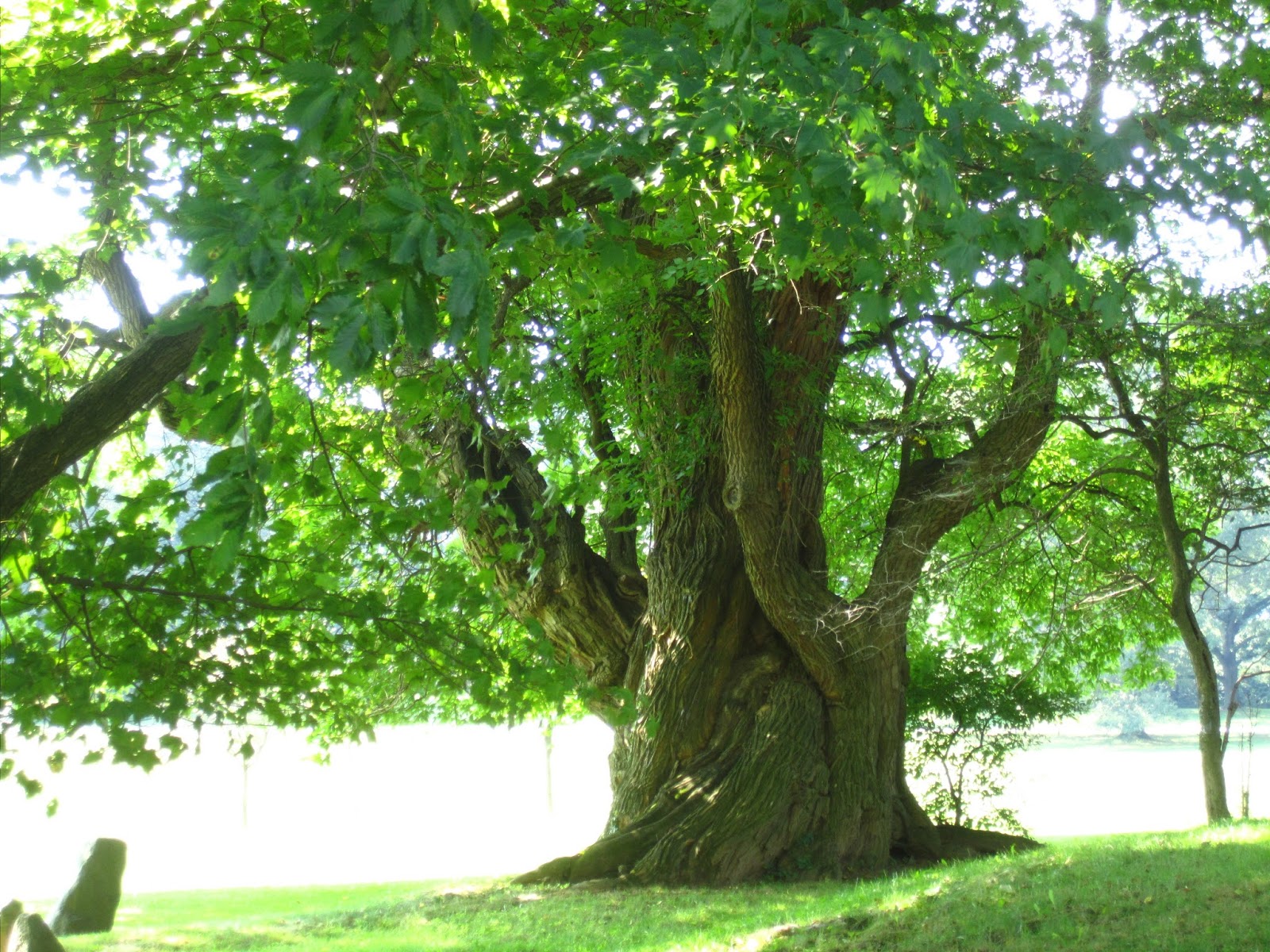
Beautiful Gnarls: 350-year-old Osage Orange Tree near Eleutherian Mills

Interspersed with the backdrop of nature's quiet beauty, a plethora of antique equipment, massive gears, and rusty machinery rumbled melodically or lay quietly embedded in the ground. There is something stunning about industrial mixing with nature, as nature is begins reclaim her domain. The innate aesthetic in the circles, repetition, and symmetry of cogs, rivets, and gears provide a a striking contrast with the wildness and vivid colors of nature.


Saturday, August 17, 2013

Ancient Egypt and the Little Girl

Sitting in the tranquil dimness of my room, listening to the abrupt cicadas and breathing in the soft end-of-summer air, I find myself thinking of my childhood in California. I so often long to return there, but is it a longing for California itself or for the nostalgia of childhood? I think of Monterey Bay’s black lava-like rocks and bobbing otters, the aquarium's colossal, plate-glass room, opening like a giant foyer to the sea’s own mysterious mansion of living rock and giant kelp colonnades; the fog fading into the morning warmth in the old streets and quaint houses at Carmel; Junipero Serra’s sunset-colored missions surrounded by flowering bushes shaking in the breeze; the fantastical double-decker carousel at the Great America amusement park in my hometown, San Jose; the warm, cerulean water at the vibrant beaches where seals bellow to each other and cover the rocks and piers like fat, whiskered sunbathers.


And I think of the Museum.


When I was child, I wanted to be either an archaeologist or a paleontologist. I lost interest in paleontology when I realized that you spend most of your time digging very very slowly, not popping already-assembled Tyrannosaur skeletons from the ground every other day. But my interest in archaeology stayed strong despite my phobic terror of mummies. Mummies be darned, I love Ancient Egypt. I don’t remember when my infatuation started, except that I have a vivid memory of being about seven years old and standing in the Rosicrucian Museum in town and gawking in awe at a section of painted tomb wall from a pyramid’s interior. Sheltered from the fading effects of light for thousands of years, the paints had retained the vivid deep blues in the midnight skies and the rich golds and scarlets on the figures and accents. Looking back, I now realize that they were probably replicas, but the effect on me was the same: I suddenly understood that ancient artists didn’t actually paint in faded colors - their art was as colorful as many of the paintings we create today. How much, I wondered, of ancient life itself was like this - archaic and outdated today, but vibrant and real in its own time? In fact (I thought to myself with a dawning amazement) the people of the ancient world didn’t think of themselves as ancient, but as modern. I wondered what museums they visited when they were alive, and if they were busy swatting flies on hot days just like me.

For a long time after that visit, I dreamed at night of sneaking back there, past the museum’s alarm system and back into that room of sapphires, golds, and burnt umber. Who knew what really happened when everyone turned off the 20th-century light bulbs and left that room alone with just the darkness and cricket songs?

Featured Quote: Autumn

The morning sunshine poured into the library through ten long narrow windows; birds were singing; the autumn air, rich with a faint aroma of November melancholy that stung the imagination pleasantly, filled my antechamber.

The Damned, Algernon Blackwood

Autumn nears us slowly, and though it is only August, the refreshing crispness of the last few days inspires me to post this quote from Blackwood, who brought beauty even to the most ghostly stories.


Friday, August 2, 2013

Whispers from Antiquity

The Maryland State Archives recently tweeted the following:

It's quite a unique collection, thanks to the diverse letters, posters, and memorabilia that the Sands family of Annapolis left behind. Here are some of my favorite images, pulled from the Archives' online e-publication: 


Original invitation to Inaugural Ball for President James Buchanan


"N. Hess' Sons Fine Shoes." If they are as cool as the envelope's graphics, then they must be fine indeed.


I love this stationary from an 1892 letter - it reminds me of Hummel figurines.


Maryland State Fireman's Association. The program features an old-fashioned
horse-drawn fire engine.


Program for Company E, 2nd Regiment of the American Guard, 1896


Tolchester Beach Excursions. I'm in!


Poster: "Southern Rights: Let us Alone!" Great graphics. Eternal issue.


Child's drawing on the back of a letter


Leaf rubbings: beautiful.


Without protection and preservation, our collective memory of our 
past slowly disappears. Plus, if a document is one of those rare 
records of the life of someone who was lower class, enslaved, or 
indentured, it can mean losing the last written trace of them.