Friday, November 15, 2013
Vaudeville comes to Virginia
This week, I visited the famous metropolis of... drum roll... Dumfries, Virginia! (Yeah, I had never heard of it either.) From my brief visit there, I can attest that the town abounds in sweet, hospitable people and confusing thoroughfares. I had made the trek in order see one of my favorite comedians, Taylor Mason, before his national tour took him to lands far away. A ventriloquist and musician, his talent for improvisation shows in this video I managed to covertly shoot during the performance. The only problem was that I kept shaking the camera from laughing so hard.
I cannot help but think of old Vaudeville when I see him perform, for Mason belongs in the comedic family tree of classic performers like Red Skelton and Groucho Marx, rather that of the over-rated potty-mouths so common nowadays. What a gem.
Thursday, October 31, 2013
Featured Quote: Ray Bradbury
The library deeps lay waiting for them.
Out in the world, not much happened. But here in the special night, a land bricked with paper and leather, anything might happen, always did. Listen! and you heard ten thousand people screaming so high only dogs feathered their ears. A million folk ran toting cannons, sharpening guillotines; Chinese, four abreast, marched on forever. Invisible, silent, yes, but Jim and Will had the gift of ears and noses as well as the gift of tongues. This was a factory of spices from far countries. Here alien deserts slumbered. Up front was the desk where the nice old lady, Miss Watriss, purple-stamped your books, but down off away were Tibet and Antarctica, the Congo. There went Miss Wills, the other librarian, through Outer Mongolia, calmly toting fragments of Peiping and Yokohama and the Celebes.
Something Wicked This Way Comes (1962)
Ray Bradbury
Friday, October 11, 2013
Featured Quote: Sherlock Holmes
As we watched it the fog-wreaths came crawling round both corners of the house and rolled slowly into one dense bank on which the upper floor and the roof floated like a strange ship upon a shadowy sea.
The Hound of the Baskervilles (1901)
Sir Arthur Conan Doyle
Friday, September 13, 2013
Return to the Brandywine Valley
The Brandywine Valley remains one of my favorite stomping grounds due to its horticultural and architectural offerings as well as the sheer deliciousness of its name.
Though long in love with the luscious Brandywine estates and gardens of Winterthur and Longwood (where I would like to believe I lived during a previous life as a petunia), my visit to the former gunpowder works at Hagley Mill offered a foray into a new sphere of surprises. I had naïvely imagined a single mill house - boy were my expectations topped. Gardener turned gunpowder guru Eleuthère Irénée du Pont founded Hagley after narrowly escaping the Hungry Lady, and I don't mean his wife. Though Monsieur du Pont arrived in the U.S. of A. with the fluttering hopes of tending gentle orchids and peaceful topiaries, he soon observed the unreliability of American gunpowder, something he knew he could improve through European techniques.
That, at least, is the conventional story. I believe the poor man got so fed up with stupid Américains tumbling over his name that he just started blowing stuff up.
Located along the arboraceous Brandywine River, Hagley provided the perfect location for manufacturing gunpowder for the military during the War of 1812 and to the Union during the Civil War. If Monsieur du Pont's last name sounds familiar, it's for good reason, since his company's innovations in gunpowder were the first in a long line of innovations in many areas.
Many of the buildings on the property are built from Brandywine's blue gneiss - a strong rock that could withstand massive explosions.
The mill is closed in 1921 following the last of a long line of explosions. Now quiet and serene, the site offers a peaceful, otherworldly retreat of Herculean trees, thriving animal denizens such as Canada geese, deer, and beavers, and the bygone beauty of old mills.
Interspersed with the backdrop of nature's quiet beauty, a plethora of antique equipment, massive gears, and rusty machinery rumbled melodically or lay quietly embedded in the ground. There is something stunning about industrial mixing with nature, as nature is begins reclaim her domain. The innate aesthetic in the circles, repetition, and symmetry of cogs, rivets, and gears provide a a striking contrast with the wildness and vivid colors of nature.


 |
| Hagley Mills |
Though long in love with the luscious Brandywine estates and gardens of Winterthur and Longwood (where I would like to believe I lived during a previous life as a petunia), my visit to the former gunpowder works at Hagley Mill offered a foray into a new sphere of surprises. I had naïvely imagined a single mill house - boy were my expectations topped. Gardener turned gunpowder guru Eleuthère Irénée du Pont founded Hagley after narrowly escaping the Hungry Lady, and I don't mean his wife. Though Monsieur du Pont arrived in the U.S. of A. with the fluttering hopes of tending gentle orchids and peaceful topiaries, he soon observed the unreliability of American gunpowder, something he knew he could improve through European techniques.
That, at least, is the conventional story. I believe the poor man got so fed up with stupid Américains tumbling over his name that he just started blowing stuff up.
Located along the arboraceous Brandywine River, Hagley provided the perfect location for manufacturing gunpowder for the military during the War of 1812 and to the Union during the Civil War. If Monsieur du Pont's last name sounds familiar, it's for good reason, since his company's innovations in gunpowder were the first in a long line of innovations in many areas.
 |
| The First Office |
Many of the buildings on the property are built from Brandywine's blue gneiss - a strong rock that could withstand massive explosions.
 |
| Workers' homes of Blue Gneiss Stone |
 |
| Eleutherian Mills, the du Pont family home, whose backyard looks directly over the gunpowder works. |
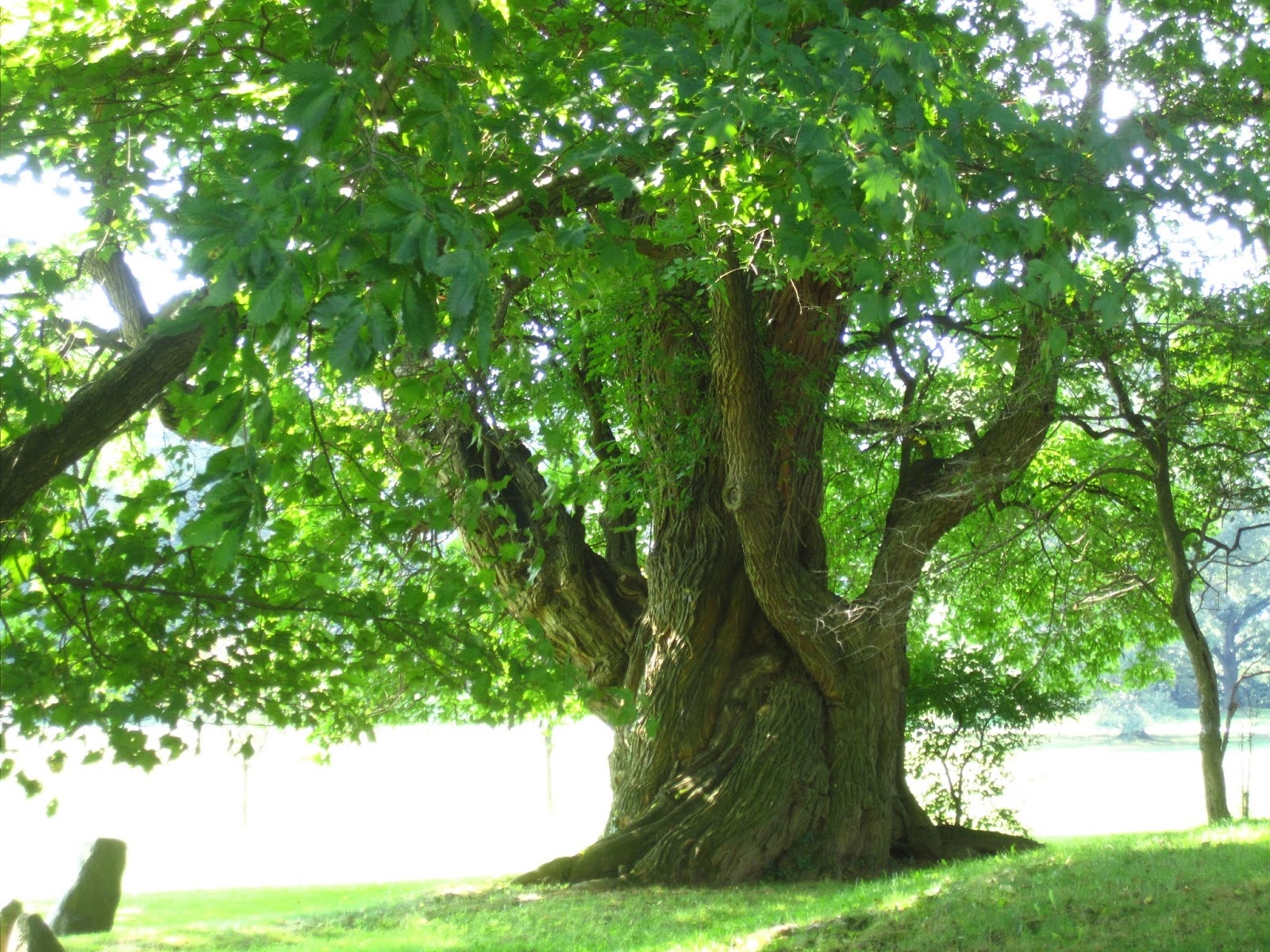 |
| Beautiful Gnarls: 350-year-old Osage Orange Tree near Eleutherian Mills |
Interspersed with the backdrop of nature's quiet beauty, a plethora of antique equipment, massive gears, and rusty machinery rumbled melodically or lay quietly embedded in the ground. There is something stunning about industrial mixing with nature, as nature is begins reclaim her domain. The innate aesthetic in the circles, repetition, and symmetry of cogs, rivets, and gears provide a a striking contrast with the wildness and vivid colors of nature.
Subscribe to:
Posts (Atom)